Experience
Gross Filth Cleaning in Spokane
You may be staring at a house or rental that feels unsafe to enter, unsure how much cleaning will cost, and worried that delays will make odors, pests, or structural issues worse. When clutter, bio-soiled surfaces, or extreme filth are present, ordinary cleaning makes little difference and the risks to health and property grow quickly in Spokane, WA.
A trained local team that focuses on Gross Filth Cleaning understands the urgency and the hazards; we assess what requires immediate containment, what must be treated as biohazardous waste, and what can be restored. If you need a local crew that knows how to protect people and property, call (866) 563-2973.
Warning signs or situations that mean you need Gross Filth Cleaning in Spokane, WA
If your home or business has persistent foul odors that do not respond to air fresheners, that is a common indicator you need professional filth remediation to find and remove organic sources. Odors often point to decomposing material, urine-saturated flooring, or deep-seated mold, and the sooner these are addressed the less likely structural or HVAC contamination becomes.
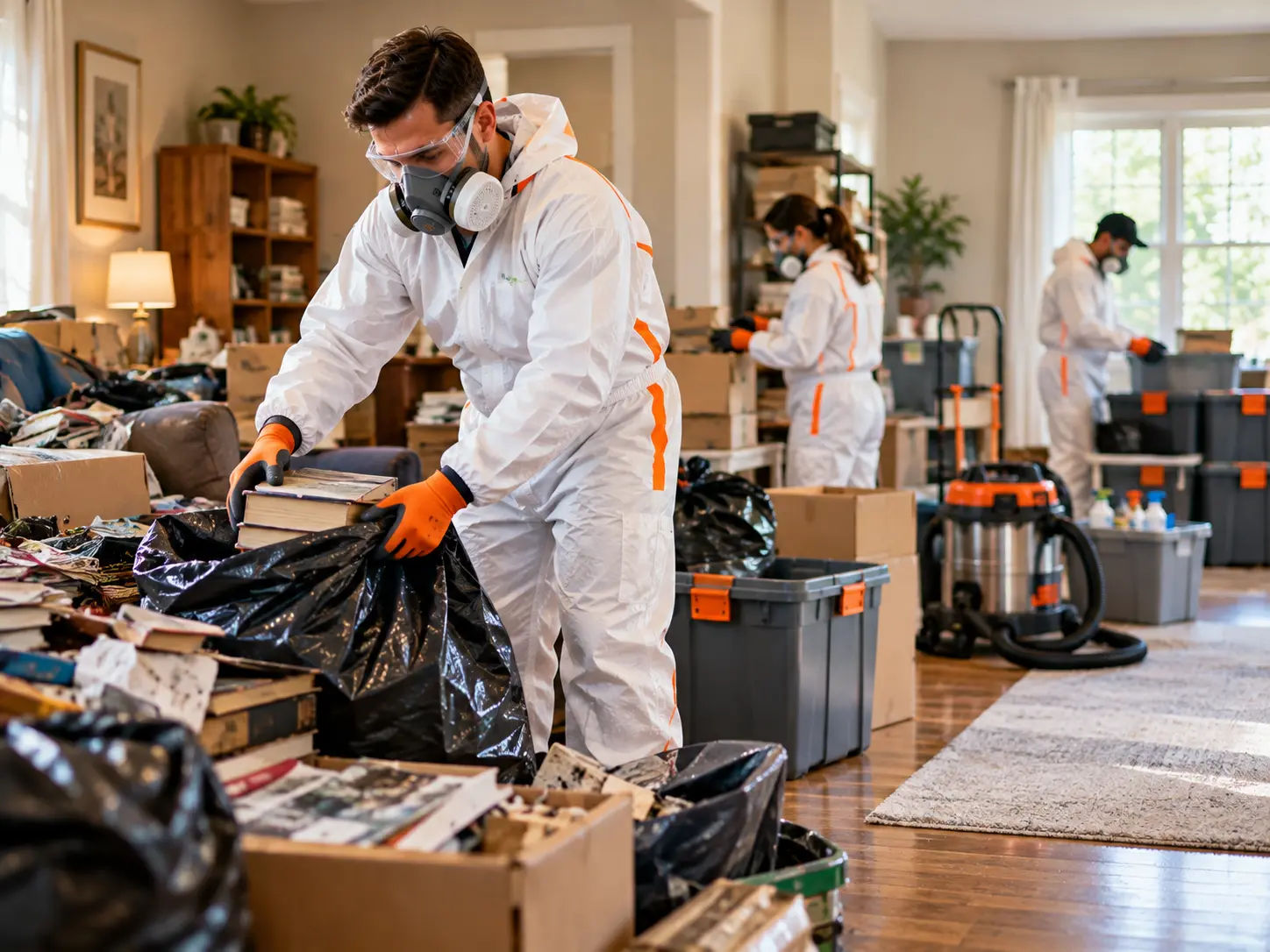
Visible accumulations of waste, heavy insect or rodent activity, or rooms that are unusable due to debris are clear signals you need a crew trained in biohazard removal and heavy debris handling. These conditions frequently hide pathogens, sharps, and pest droppings that require personal protective equipment and controlled disposal, not a standard cleaning service.
If you notice staining that reappears after cleaning, discolored drywall or subfloor collapse, that usually means contamination has penetrated building materials and you need a methodical restoration plan tied to gross contamination cleanup. Addressing only the surface leaves residual contamination that causes recurring odors and health complaints.
Sudden changes like an unattended death, prolonged hoarding, or sewage backups create acute hazards that demand both containment and regulated disposal under OSHA and local health guidance. In those situations, delaying action increases exposure and legal disposal problems for property owners.
Common causes, risks, and what happens if the problem is ignored in Spokane, WA
Many cases come from long-term neglect, hoarding behaviors, or episodic events like sewage backups and unattended medical incidents; each source creates specific biological and chemical hazards that require different treatment. When left alone, organic matter continues to decompose and attract pests, which amplifies odors and spreads bacteria and parasites through the home.
Ignoring heavy contamination also invites mold growth in hidden cavities and within HVAC systems, which can spread spores beyond the immediate area and cause respiratory problems for occupants. HVAC contamination often means cleaning ductwork and coils plus treating affected surfaces, which is beyond what bleach and a mop can fix.
Structural damage is another risk: prolonged urine or moisture saturation can soften subfloors and delaminate wood, while heavy piles of debris can stress flooring and walls. If remediation is postponed, what begins as a cleaning job can escalate into restoration and rebuild work that costs more and requires permits.
Finally, improper DIY attempts commonly worsen the situation by spreading contaminants or creating cross-contamination; people sometimes miss sharps, aerosolize dried biological material, or use products that inhibit later testing or restoration. That’s why technicians wear NIOSH-approved respirators and use controlled removal techniques instead of household cleaners.
Our step-by-step Gross Filth Cleaning process in Spokane, WA: inspection, assessment, work, cleanup, and final check
We begin every project with a thorough site inspection to identify contamination types, structural concerns, and access challenges; this includes checking HVAC intakes, floor cavities, and behind appliances. During the inspection we document hazards, note any sharps or chemical containers, and determine whether regulated biohazard disposal is required under EPA or local health rules.
Next comes a written plan that separates immediate containment from restoration; containment steps may include negative air setups, temporary barriers, and segregation of contaminated materials into red-bagged biohazard waste or sharps containers. The plan also lists PPE requirements such as disposable coveralls, nitrile gloves, eye protection, and HEPA-filtered respirators for the crew.
The active cleaning phase uses mechanical decontamination, HEPA vacuuming, enzymatic and antimicrobial treatments, and targeted demolition when materials are unsalvageable; technicians apply industry techniques from IICRC S520 for biological remediation where applicable. Tools we commonly deploy are HEPA vacuums, negative air machines, air scrubbers, and controlled droplet disinfectant sprayers to reduce airborne particulates during work.
Finally, we perform a verification sweep and document the removal and disposal chain, and we advise on restoration steps like floor replacement, painting with antimicrobial primers, or HVAC system sanitation. If structural work is needed, we coordinate with licensed contractors and help secure required permits to return your property to normal use.
Types of Gross Filth Cleaning services or solutions offered in Spokane, WA, and when each one is the right fit
Surface-level sanitation covers kitchens, bathrooms, and living areas where contamination is present but building materials are intact; this is appropriate when debris and organic stains are largely superficial. These jobs typically include sorting, bagging, HEPA vacuuming, and targeted disinfection using EPA-registered products for biological soils.
Deep remediation and reconstruction are necessary when contamination has penetrated drywall, insulation, or subflooring; in those cases we remove affected materials, treat the underlying structure, and recommend restorative construction services. Choosing this route prevents lingering odors and mold that would otherwise reappear after a surface-only cleanup.
Hoarding-related cleanup and property cleanout require sensitive item sorting, coordination with social services if appropriate, and staged removal to avoid destabilizing the home. For these projects we combine cleanup with odor control, pest abatement, and placement of salvaged items into quarantined areas for customer review.
Emergency response services are available for sewage backups, unattended deaths, or major rodent infestations where immediate containment is required to protect neighbors and occupants. Rapid on-site containment, followed by full remediation and documented disposal, keeps regulatory risk low and health impacts minimal.
Factors that affect the cost of Gross Filth Cleaning in Spokane, WA
The extent of contamination is the primary cost driver: how much debris, the depth of biological saturation, and whether building materials are affected all change the required labor and disposal. Jobs that require structural demo, such as removing soaked drywall or subfloors, naturally increase labor, haul-away volume, and coordination with restoration contractors.
Accessibility matters: narrow stairwells, elevator limits, and multi-story carries increase the time crews spend on manual removal and protective setup, raising logistical costs. When heavy machinery or scaffolding is required to access tight spaces or rooftops, that also affects the overall estimate.
Regulated disposal requirements for biohazardous waste and sharps increase material handling and disposal fees because these materials must go to permitted facilities and be documented for chain of custody. Insurance billing complexity, specialized testing, and environmental sampling for meth, mold, or pathogen verification can also add to the scope.
Scheduling and scope changes impact price as well; emergency callouts, after-hours work, and significant changes to the work plan once cleanup begins require additional resources. Clear documentation at the inspection stage helps you understand cost drivers before work begins and avoids surprise invoices.
Safety, codes, permits, insurance, and industry standards relevant to Gross Filth Cleaning in Spokane, WA
Technicians follow federal and state safety rules including OSHA bloodborne pathogens standards, which govern handling of potentially infectious materials and employee protection requirements. For respiratory protection we use NIOSH-approved respirators and fit-testing protocols, and crews wear impermeable coveralls, gloves, and eye protection when appropriate.
Disposal of regulated medical or biohazard waste follows EPA and local health department rules; waste classification determines whether materials go to a licensed medical waste facility or municipal landfill. We document disposal with manifests when required and coordinate with permitted haulers for regulated streams.
Permits may be necessary for demolition or for large-scale restoration that affects structural elements or septic systems, and we advise property owners to check local building departments before reconstruction. When remediation touches electrical, plumbing, or HVAC systems, we recommend licensed tradespeople and can help coordinate inspections.
Insurance coverage varies widely; some policies cover contamination caused by sudden events, while others exclude gradual neglect. Always consult your insurer about coverage, and we provide itemized documentation and photos to support claims when possible.
Hoarding Biohazard Cleanup and Property Cleanout with Restoration Services in Spokane, WA: how they connect and when you need both
Hoarding situations often combine excessive possessions with biosoils, pest infestation, and structural contamination, so effective remediation usually requires both property cleanout and biohazard abatement. Handling both at once reduces the chance of recontamination and lets restoration start sooner, which saves time and limits additional property degradation.
Integrated projects begin with an assessment that identifies salvageable items, hazardous materials, and areas requiring structural repair; this plan supports staged cleanout that respects client needs and legal considerations. Technicians perform item triage, secure items for family review, and move unsalvageable materials into appropriate disposal streams, including regulated biohazard removal when indicated.
Restoration services then repair or replace affected building components, including drywall, flooring, and HVAC elements, so the home is safe to occupy after cleaning. Coordinating cleanup and restoration under one project reduces miscommunication and ensures disinfected surfaces are not disturbed by later demolition.
When sensitive cases involve mental health or legal guardianship, we can work with caseworkers and property managers to schedule work that minimizes disruption and ensures documentation for courts or housing authorities. Combining cleanup with restoration gives you a single plan from containment through rebuild.
How to choose a trustworthy Gross Filth Cleaning provider in Spokane, WA: credentials to check, questions to ask, and red flags
Ask whether the company follows recognized remediation standards such as IICRC S520 for biological remediation, and whether technicians wear appropriate PPE and use HEPA filtration during work. Request documentation of their waste disposal methods and examples of how they segregate regulated materials, because proper disposal reduces legal and health risks for you.
Check for transparent estimates that break out labor, disposal, and any subcontracted restoration work instead of one opaque number; a reliable provider explains the drivers of cost and scope. Ask about their on-site procedures for keeping your home secure and how they handle salvageable items versus contaminated items that must be discarded.
Red flags include quotes given without an on-site inspection, contractors who refuse to document disposal, and crews that do not provide written plans or safety precautions. Also be wary of firms that insist on using unregulated subcontractors for demolition or waste hauling without providing certificates and manifests.
If you need help deciding, we can walk you through specific questions and share examples of documentation practices that reputable firms follow to protect your property and legal interests; call (866) 563-2973 for guidance and referrals to licensed trades if restoration is needed.
Prevention and maintenance tips that help customers avoid repeat problems in Spokane, WA
Address water leaks, HVAC condensation, and plumbing failures promptly because moisture is the most common driver of persistent odors, mold, and subfloor damage that lead to repeat contamination. Regularly inspect under sinks, behind appliances, and in basements; early detection allows targeted repairs before full remediation becomes necessary.
Keep clutter managed and establish a regular schedule for deep cleaning in areas prone to buildup, especially if someone in the home has mobility issues or cognitive challenges that make routine maintenance harder. For properties prone to hoarding behaviors, staged cleanouts and social support resources help prevent relapse.
Maintain pest control with licensed extermination when evidence of rodents or insects appears, since droppings and nests are a major source of bio-contamination in severe filth scenarios. Seal entry points, keep food stored properly, and address landscaping issues that bring rodents close to foundation openings.
When you sell or rent a property, consider a professional inspection and documented remediation to avoid liability and to ensure the next occupant is not exposed to hidden hazards; this simple step often prevents disputes and post-agreement claims.
Frequently Asked Questions About Gross Filth Cleaning in Spokane, WA
What exactly does Gross Filth Cleaning cover?
Gross filth service removes heavy accumulations of organic waste, vermin droppings, saturated materials, and bio-soiled items, and it includes decontamination of surfaces and documented disposal when required. The scope can range from deep sanitation and odor control to controlled demolition and coordination with restoration contractors.
Is it safe to stay in the home during cleanup?
In many cases it is safer for occupants to be temporarily relocated during active remediation, especially when there is heavy contamination, airborne particulates, or strong disinfectants in use. Technicians can advise whether staged work allows partial occupancy, but health and safety take precedence in every plan.
Will my homeowner insurance cover Gross Filth Cleaning?
Coverage depends on your policy and the cause of contamination; sudden, accidental events may be covered while gradual neglect or long-term hoarding is often excluded. We provide itemized documentation and photos you can submit to your insurer to help them assess claims.
How long does a typical cleanup take?
Duration varies widely depending on contamination level, accessibility, and whether structural restoration is required; small surface jobs can be resolved in a day, while complex remediation with demolition and rebuild takes longer. The on-site inspection yields a more accurate timeline and a phased plan so you know what to expect.
Are technicians trained to handle sharps and regulated medical waste?
Yes, qualified crews follow OSHA bloodborne pathogens protocols and use proper containers for sharps and regulated materials, ensuring safe handling and disposal at permitted facilities. If sharps are present we isolate and document them immediately to protect staff and occupants.
Can I do any of this work myself to save money?
DIY attempts risk spreading contamination, missing hidden reservoirs, or improperly disposing of regulated waste, which can create health hazards and regulatory issues. For minor chores like removing non-contaminated trash you can help, but leave biohazard removal and structural remediation to trained professionals.
How do you control odors after heavy contamination?
We remove odor sources, treat porous materials with enzymatic and antimicrobial agents, and use HEPA air filtration and ozone or hydroxyl treatments when appropriate to neutralize persistent smells. Often odor control requires both removal of contaminated materials and follow-up treatments during restoration.
What should I do right now if I suspect a biohazard?
Limit access to the area, avoid disturbing suspected contaminated materials, and contact a trained remediation team to schedule an inspection so the situation can be assessed safely; call (866) 563-2973 if you want immediate guidance on containment steps.
Restore safe use and habitability: why acting now matters and how we help
Addressing severe filth promptly reduces health risks, limits structural damage, and shortens the restoration timeline, which saves money and stress over the long run. Early remediation also preserves salvageable items and prevents HVAC spread, so moving faster often reduces the total scope of work required.
We combine field experience in heavy debris removal, biohazard handling, and restoration planning so you get a coordinated path from containment to rebuild with documented disposal and safety checks. Our crews use HEPA filtration, negative air containment, and industry-approved protocols so the work meets regulatory expectations and protects future occupants.
If you are ready to get a professional assessment and a written plan that explains the steps, the timeline, and the safety controls we use, call (866) 563-2973 for a site visit and practical next steps to return your property to safe use.
Quality Assurance
We guarantee exceptional gross filth cleaning results with every project.
Prompt Service
On-time service delivery with attention to every detail.